░░ The Archive ░░
All dispatches
20 issues

GC Series: Sandra Tsao
The GC role looks remarkably different when your clients have stripes. At first glance, Sandra leads what appears to be a familiar in-house function. Then someone mentions transferring endangered okapis from Europe as part of an international breeding programme or the legal implications of transporting threatened species across international borders and suddenly "business as usual" starts to sound like artistic licence. Yet the real story isn't just about wildlife.

Partner Series: Laura Uberoi
The future has become remarkably impatient. Waiting for money to arrive now feels almost old-fashioned. If you've sold a business but won't receive the proceeds for another three years, why wait? If a football club knows broadcasting revenue is coming next season, why not borrow against it today? If a satellite will generate income for the next decade, why shouldn't it fund itself before it even reaches orbit? Modern finance has developed an extraordinary ability to pull tomorrow into today. The question isn't what an asset is anymore. It's what lawyers can do to define them as such.
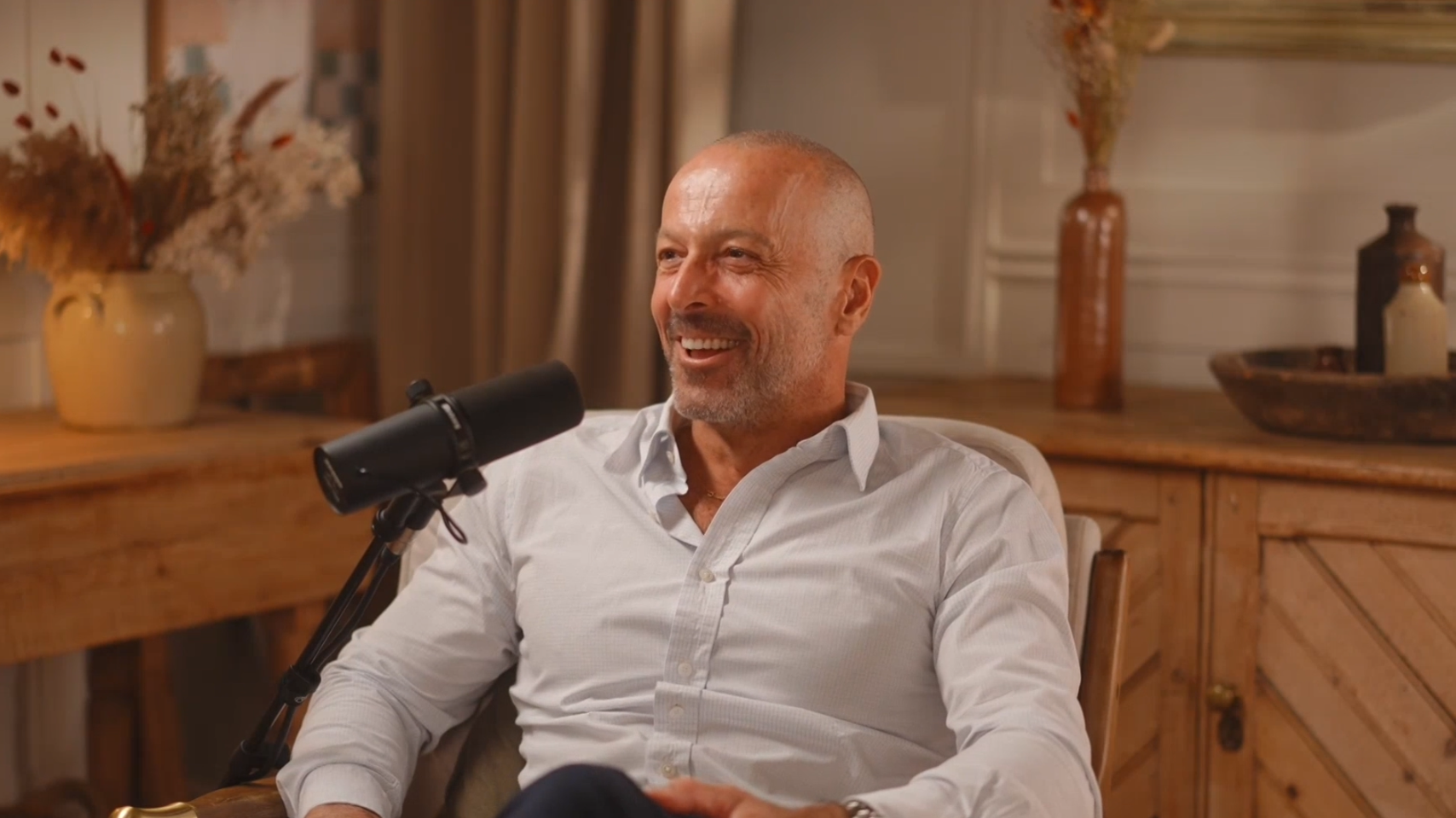
Partner Series: Bruno Bertrand-Delfau
The safest way to build a legal career is to specialise in something everyone already understands. Bruno's done rather well by doing the opposite. When he started his career, secondaries didn't exist. Private equity itself was still in its infancy. The market that would eventually define his career hadn't yet become a recognisable practice area. Twenty-five years later, he's still working at the edge of it. Only now, the market is more difficult to ignore.

Partner Series: Will Normand
What’s the point of us? This sounds like an existential question familiar to many lawyers. For law firms, it’s a strategic one. That question sits behind everything: how you train juniors, what work you chase and how you respond to AI. There’s no single right answer. But the answer needs to be honest. A firm that knows what it stands for can attract the right talent and clients. A firm that tells a compelling story disconnected from reality might attract people initially but eventually they'll leave for somewhere that suits them better. Law firms have become obsessed with short-term metrics. If you’re focused on beating last year’s numbers it’s difficult to plan for the next 10 or 20 years. Answering that question may determine who’s left standing.
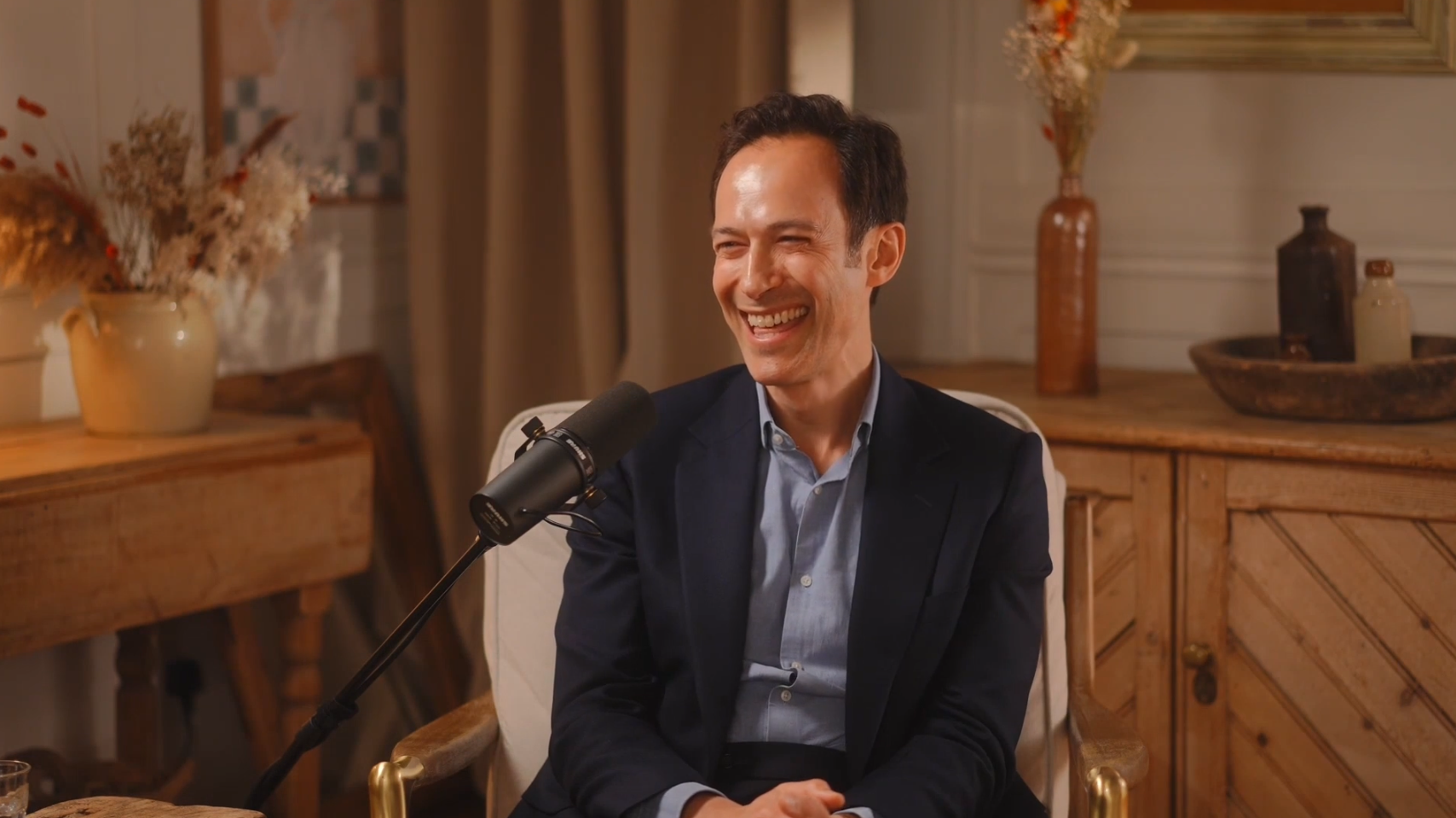
Partner Series: Russell Warren
The most valuable person in a lawyer's network may be someone who can't give you work yet. They might be a trainee. A junior associate. Someone sitting across the office who'll leave in three years and disappear into a company you've never heard of. At the time, none of this feels particularly important. There are emails to answer, deals to close and presumably, a client somewhere expecting results. Russell's spent enough time in private practice to see the flaw in treating relationships as transactions. They're people whose careers are moving, usually in directions you can't predict. That makes the long game rather more interesting.
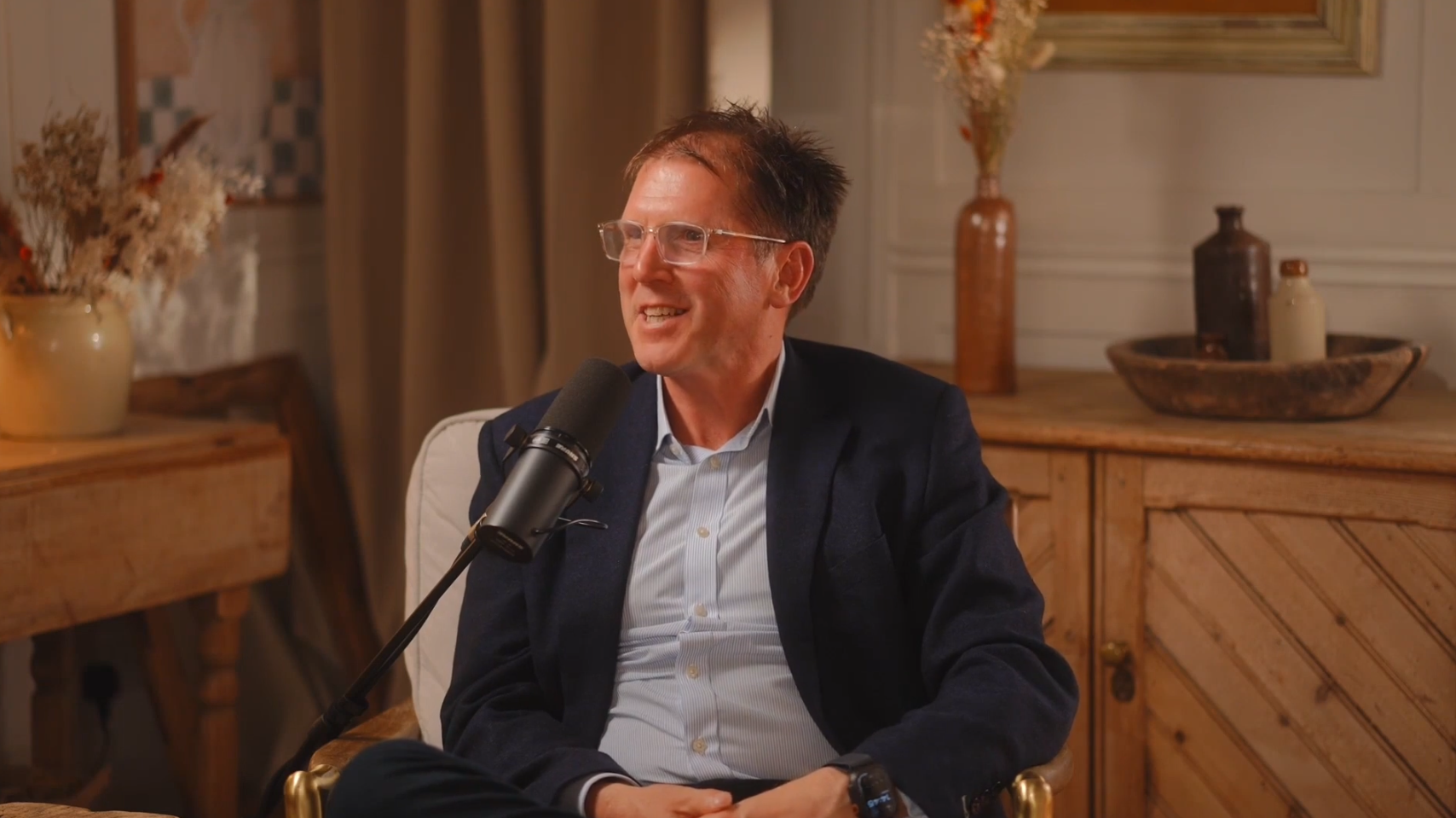
Partner Series: Darren Rogers
The safest way to become a mediocre lawyer is to avoid doing anything that might make you look like a bad one. Darren's career was shaped by the opposite instinct. Again and again, he found himself in situations where responsibility arrived before confidence. He moved from a structured training environment into a smaller, faster-growing team where a newly qualified lawyer was suddenly expected to help run matters. He was put in front of clients. He negotiated. He made mistakes. Later, as a senior associate, he had to decide whether to follow a departing group or stay and defend important relationships himself. None of it was particularly comfortable. That's the point.

Judgement Has Changed Address
The future of legal isn't fewer lawyers. It's fewer decisions requiring lawyers. The best legal departments aren't using technology to replace people. They're using it to remove friction, automate repetition and create space for the work that needs human attention. That sounds simple until you try deciding where the boundary lies. Every new system promises efficiency. Every AI tool promises scale. The difficult part isn't implementation. It's knowing exactly when you should.

Saying Yes to Goats
In healthcare, legal isn't a support function. It forms part of the care that patients ultimately receive. It just happens to be found inside surprisingly ordinary things. Hospital food. Supply contracts. Witness statements. Occasionally, a goat wandering around Weston-super-Mare. Look closely enough and they all turn out to be working towards the same goal: helping vulnerable people receive better care. The law may look familiar. The consequences aren't.
Walking the Wire
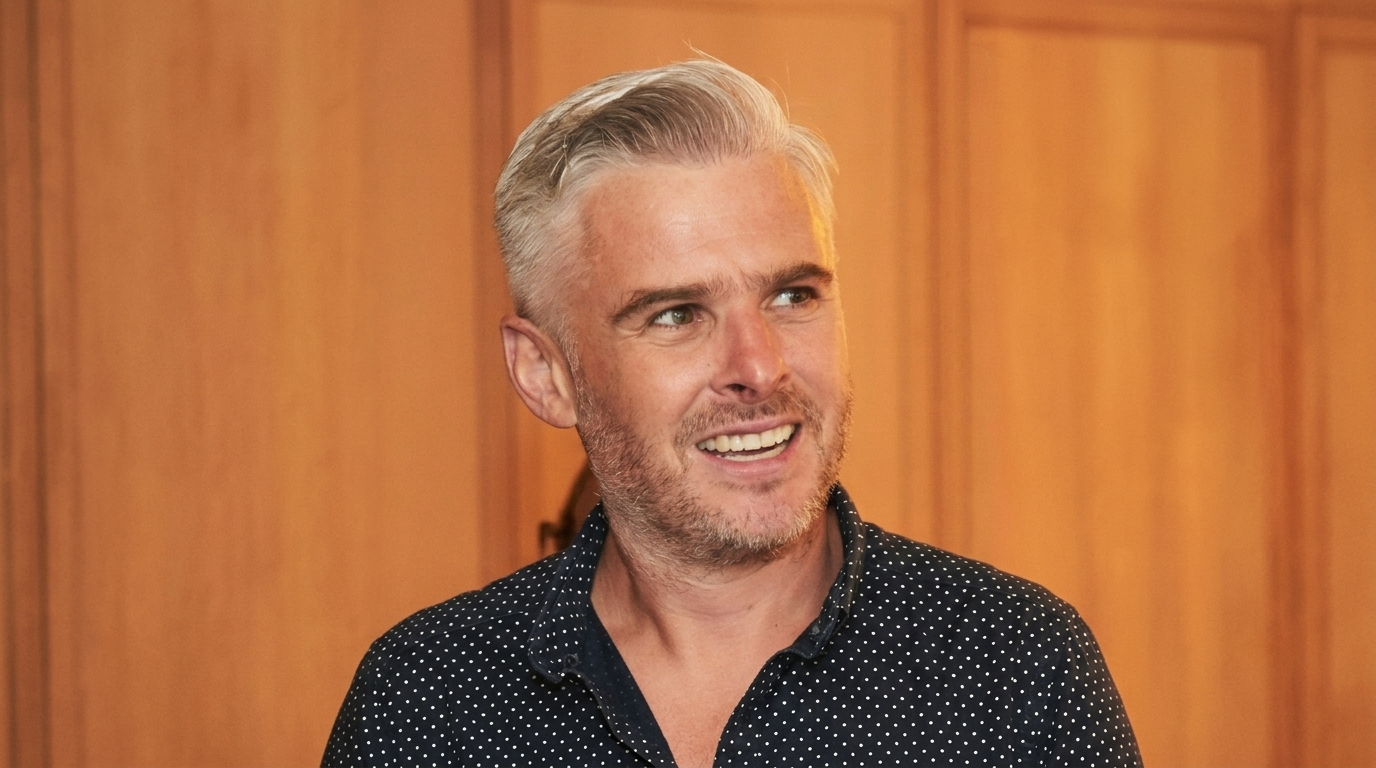
Most companies aren't undone by bad ideas. They're undone by the good ones. Success has a habit of sanding off the edges that made them unique. Founders have vision. Investors demand returns. Somewhere in the middle sits a lawyer whose job description expands from legal adviser to translator between two entirely different ways of seeing the world. Less guardian of the rulebook than custodian of productive tension.
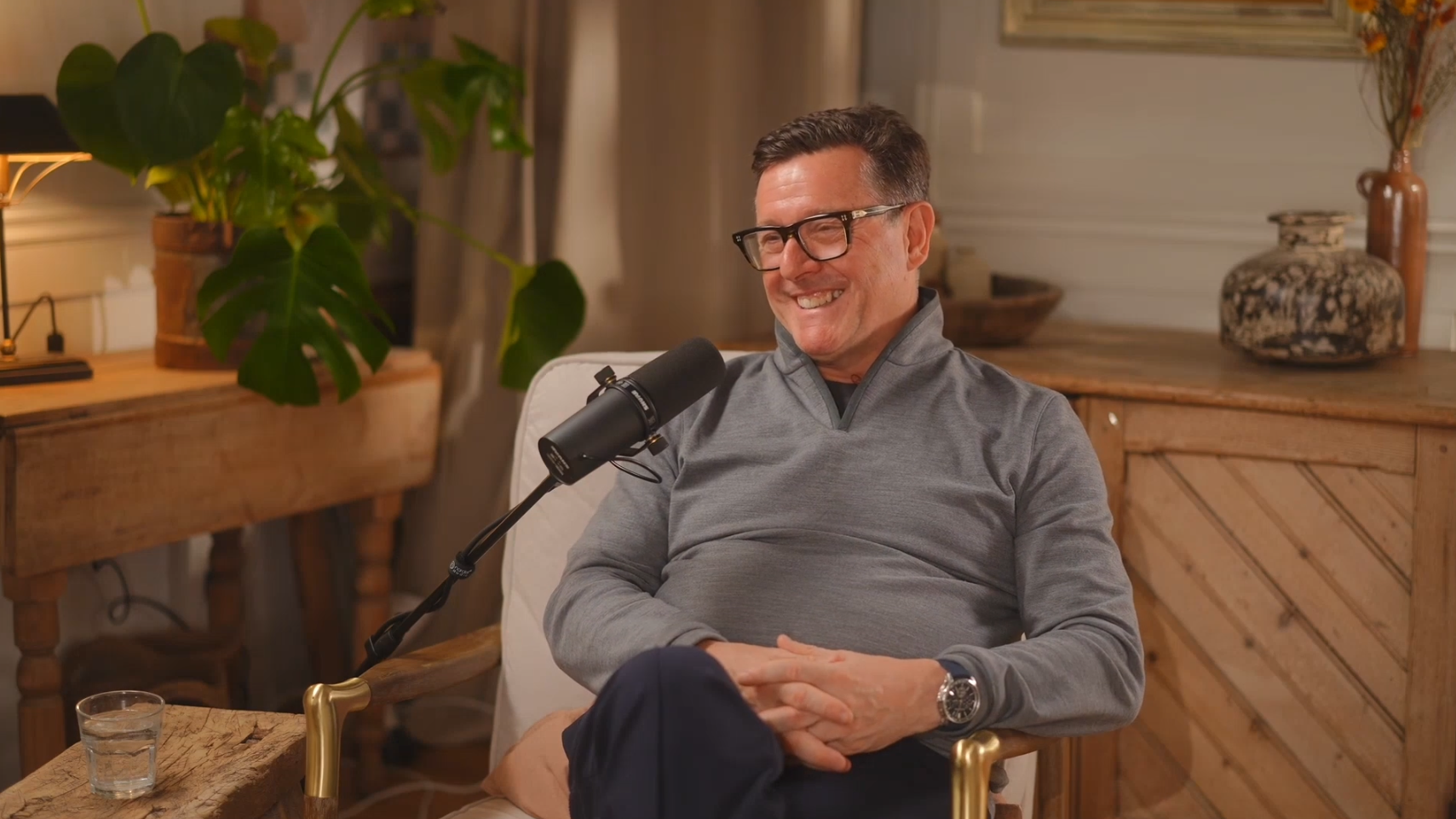
Bridging the Experience Gap
Trainees are as intelligent as the rainmaker partners in their team. Same grades. Same university. Same ability to learn. The difference between them isn't intelligence, it's experience. Every conference promises revolution, every LinkedIn post mourns another extinct job title and every managing partner is apparently "embracing AI".