We don't often associate lawyers with the buccaneering spirit of the likes of Aubrey or Cochrane.
If anything, they're trained to keep well clear of the lee shore, carefully noting the shoals and sandbanks that may spell trouble. Risk is treated as something to be quietly skirted.
However, that’s precisely where opportunity sits. Commercially, strategically, reputationally. It’s all somewhere just off the known map, somewhere uncharted, where the prize may lie uncomfortably close under the guns of Tortuga.
Brinkmanship isn't taught in textbooks. And there’s very little in the study of Roman land reform or early black letter doctrine to suggest that setting sail might be the right move. It takes time before the penny drops: risk isn’t the enemy. It’s the raw material.
Yes, this naval analogy you're being forced to endure may be a tad hyperbolic—painfully so.
But only slightly.
Because the lawyers who actually build things of value, whether that's teams or practices, aren’t the ones hugging the harbour wall. They’re the ones willing to tell a compelling story about where they’re going and persuade others to come with them.
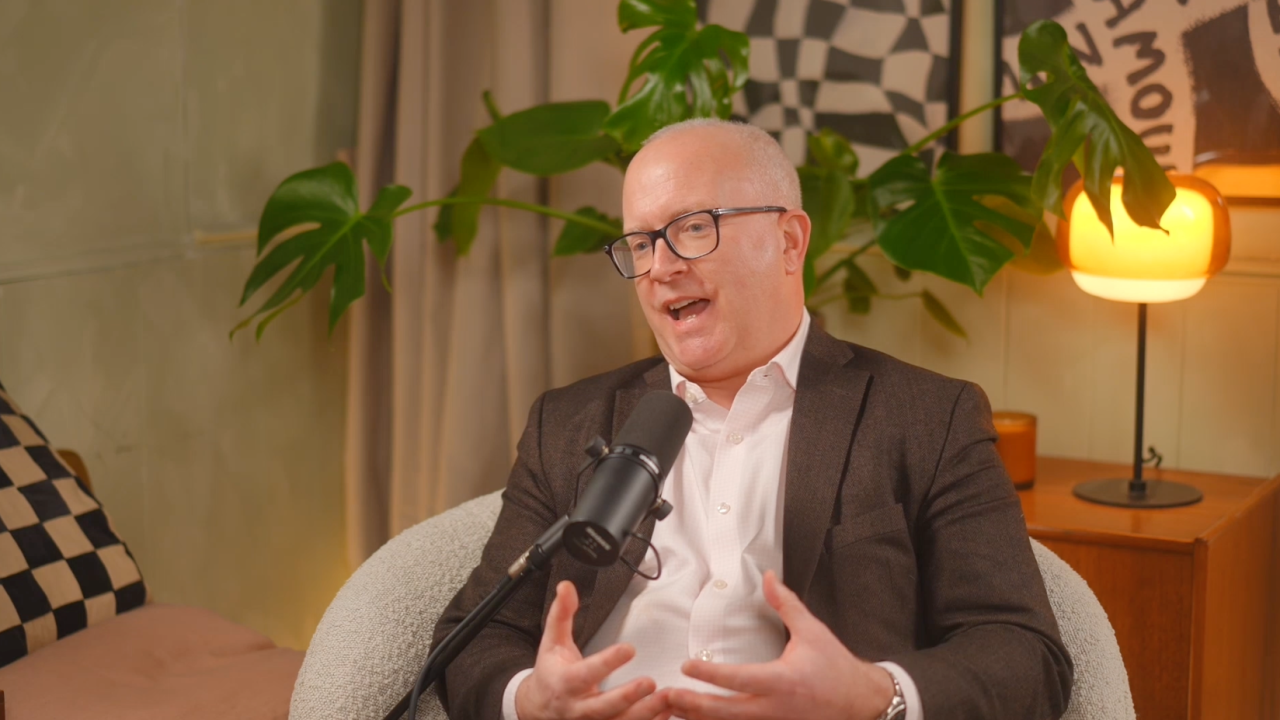
David is one of those people.
The accidental advantage of being useful
Long before partnership committees and international strategy, there was a year spent making slides.
Nothing glamorous. Not even PowerPoint. Something far more primitive, involving laminated graphs and overhead projectors.
But it served as an important lesson: do one thing well, no matter how lowly, build a reputation and doors open. You become a valued resource. Your time and attention are in demand.
It’s an early lesson most miss: usefulness beats academic brilliance. Particularly early on. Nobody cares how intellectually sophisticated you are if you don't make their life easier or solve a problem.
David figured that out before university.
Building something from nothing (on a budget)
You need a particular kind of nerve to leave a thriving 70-person team and step into something that barely exists. It’s the sort of career move friends and family may try to talk you out of.
No big clients walking through the door with you. No lavish marketing spend. No institutional momentum.
Just a blank page and a theory.
David jumped anyway.
Partly because he’d seen it done before. More importantly, because he’d learned something most lawyers never quite grasp: firms don’t grow through caution. They grow through narrative.
The ability to tell a compelling story about what you’re building and persuade people to join it isn’t a soft skill. It’s the essential ingredient for growth.
Same law, different lawyers
Lawyers love to believe the law is the product.
It isn’t.
If it were, the hourly rates wouldn’t vary so wildly. The law applies the same to everyone. So what's the differentiator?
Clients pay a premium for your judgement, experience and the reassurance that you've been through this situation before and you instinctively know how to deal with it.
Technical excellence is table stakes. The real differentiator is your ability to take clients on a journey.
Face time, not just screen time
David isn’t anti-technology, far from it, but he’s clear on one point: relationships don't fully form through screens.
Trust is still built in rooms through shared experience.
You learn how partners think by watching how they handle awkward conversations, a shifting landscape and imperfect conditions in real time.
There’s no shortcut for that.
AI: apocalypse or your very own KITT?
The current AI discourse oscillates between two extremes: existential panic and breathless optimism.
David takes more of a pragmatic view. Yes, it will be disruptive. Yes, it will change how legal work is done.
But it won’t eliminate the core of the job.
Because the core isn’t drafting. It’s judgement.
What will change rapidly is the baseline. Young lawyers won’t be judged on how quickly they can produce a first draft, but on how intelligently they can interrogate, refine and apply it.
Prompting will become an essential skill.
The quiet "authenticity" revolution
On LinkedIn, technical posts perform adequately. Thoughtful opinions perform exponentially better.
Not because the audience is less sophisticated, but because it’s human.
There's a growing revulsion to anything that looks AI generated, which also now encompasses anything presented in corporate language.
Law firms, for the most part, still default to safe, sterile content. Carefully worded updates that offend nobody and interest even fewer. Meanwhile, individual lawyers who speak with a recognisable voice quietly build influence at scale.
It’s not about chasing likes. It’s about signalling that there’s a person behind the post.
Clients notice. So do future hires.
Too many mind
The legal industry is fond of continuity. It likes to believe that, beyond the noise, things remain reassuringly the same.
They do and they don’t.
Routes into the profession are shifting. Technology is accelerating. Markets are fragmenting and reforming at lightning speed.
And yet, the fundamentals remain consistent.
Be useful. Build relationships. Understand the commercials. Take the occasional calculated risk.
The lawyers who stay focused tend to do rather well. The rest remain safely anchored.