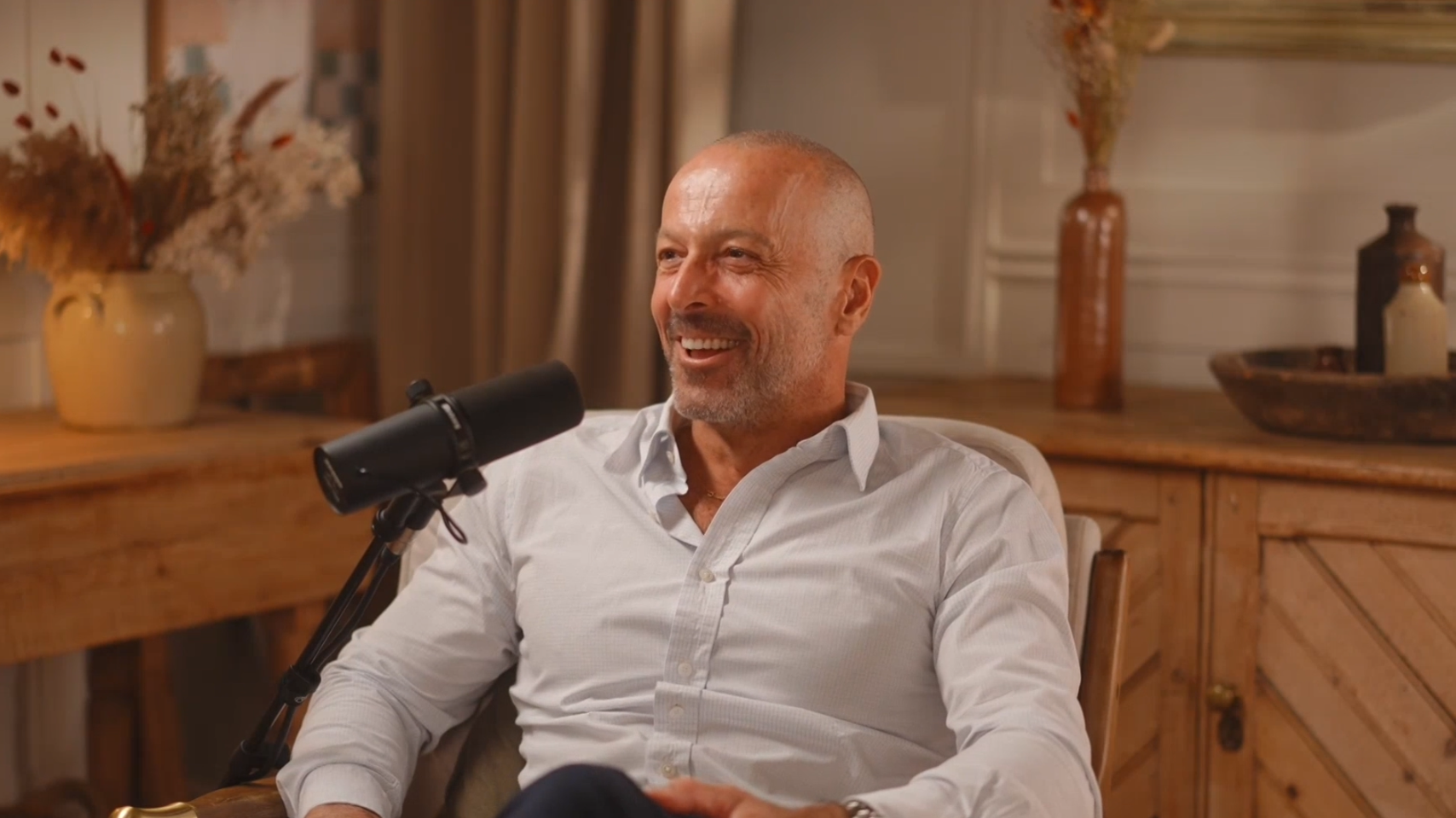
The safest way to build a legal career is to specialise in something everyone already understands.
Bruno's done rather well by doing the opposite.
When he started his career, secondaries didn't exist. Private equity itself was still in its infancy. The market that would eventually define his career hadn't yet become a recognisable practice area.
Twenty-five years later, he's still working at the edge of it.
Only now, the market is more difficult to ignore.
Bruno started his career as an investment banker in Italy before joining Cleary as an M&A lawyer in Paris. He wasn't looking for a career in secondaries because there wasn't really a career in secondaries to look for.
Then, as a senior associate, he was staffed on a large transaction for a French bank involving the sale of a portfolio of private equity interests.
It was an unusual deal at the time. The first of its kind in France.
The companies involved were concerned about the bank selling its interest and there was considerable misunderstanding about what the transaction actually meant. Some people associated selling a private equity position with financial distress. Others confused the buyer with a vulture fund.
The deal nevertheless went ahead. And the client came back to Bruno for the next one.
More than 20 years later, he's still advising them. The business now manages tens of billions of dollars across its secondaries strategies.
You don't always need to identify the perfect specialism at the beginning of your career.
Sometimes it's enough to notice that something interesting is happening.
Secondaries are essentially a liquidity mechanism for private assets.
What began in private equity has spread into infrastructure, credit, real estate and other parts of private capital, as the market has grown and traditional exit routes have become harder.
Private funds have become larger, M&A and IPO markets have been subdued, financing has become more expensive since 2022 and fundraising has become harder for sponsors.
Funds are also increasingly extending beyond their traditional 10–12 year life span. When the normal route out becomes harder, investors start looking for another door.
That's where continuation vehicles come in.
A GP can move one or more assets into a new vehicle, allowing new investors to provide capital while existing LPs can either take liquidity or roll their interests into the new structure. The GP gets to keep managing an asset it believes still has value to realise.
What was once an unusual corner of private equity has become an increasingly important exit route. And apparently even that wasn't complicated enough. The latest iteration involves continuation vehicles created out of existing continuation vehicles: "CV squared".
We may eventually need a flowchart.
There's another part of Bruno's career that has nothing to do with private capital but perhaps says more about the way he leads.
Bruno is gay and has three children with his husband.
Early in his career, he didn't feel able to be open about his sexuality. He describes the environment in France in the 1990s as much less accepting and says he suffered. Then he decided to be completely open about who he was.
When interviewing for roles, he made his sexuality clear from the outset.
Today, he talks about the importance of openness from senior people and the effect that can have on the environment around them. The funds team, now around 100 lawyers, has a particularly high proportion of gay partners and associates.
There's a difference between that and simply having an inclusive policy.
If you've spent part of your career wondering whether you can be yourself at work, you probably understand why it matters when the people above you make it clear that you can.
Bruno's approach seems to stem from that experience.
He's trying to build the kind of environment he would have wanted earlier in his own career.
There's a thread running through Bruno's career that's more interesting than secondaries itself.
He's repeatedly moved towards things that were changing.
He moved to London because it was the centre of the European secondaries market. He later moved firms because the funds platform was a better fit for the practice he'd built. And for 25 years, he's stayed in a market that's repeatedly reinvented itself.
He didn't know when he started that secondaries would become what they are today.
Nobody did.
That's precisely the point.
The most interesting areas of law rarely arrive fully formed. They start as unusual transactions, unfamiliar problems or markets that other people haven't quite worked out yet.
The lawyers who spot them early get to help build the practice rather than simply joining it.
You can't know exactly what the profession will look like in 10 or 20 years.
But you can make sure you're ready when it changes.